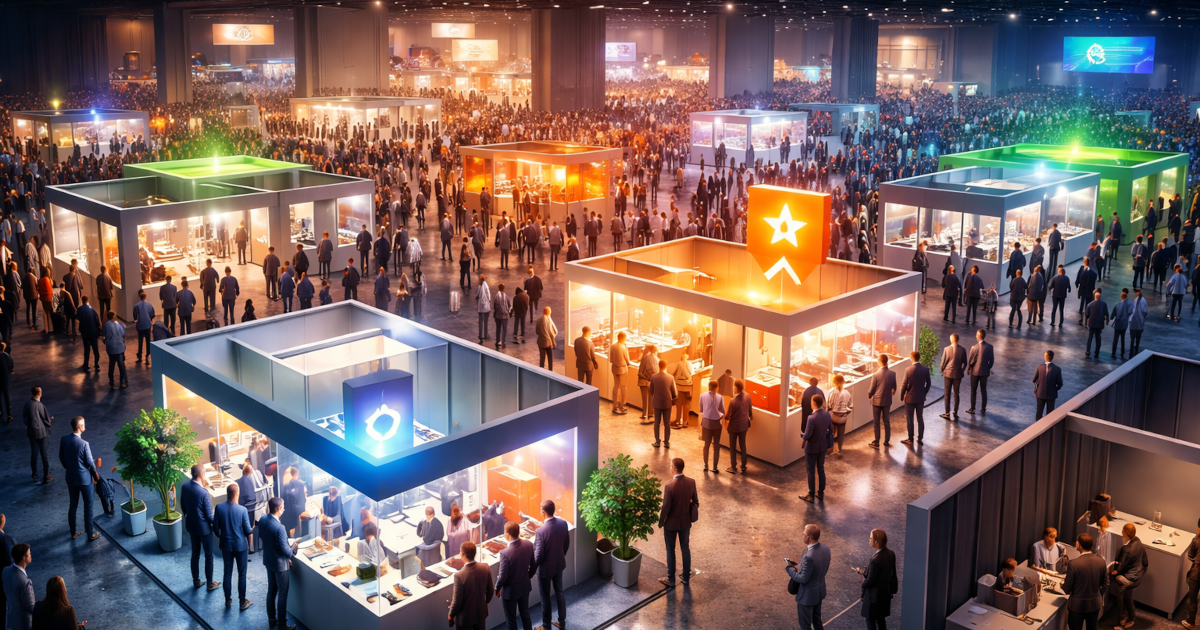
Trade shows and exhibitions are built around one core promise: connecting exhibitors with the right audience. Yet in large and complex event environments, many exhibitors struggle to achieve the level of visibility they expect. This gap between participation and discovery has become one of the most pressing challenges facing modern exhibition organizers.
As event scale increases, ensuring that every exhibitor can be effectively discovered is no longer just a logistical concern — it is a strategic priority that directly impacts exhibitor satisfaction, sponsorship value, and long-term event growth.
The Hidden Visibility Gap on the Exhibition Floor
Even well-designed exhibition layouts cannot fully guarantee that attendees will naturally discover all exhibitors. Visitor movement patterns are often unpredictable, shaped by personal interests, time constraints, or crowd dynamics. As a result, some booths benefit from organic footfall while others remain underexposed, regardless of the quality of their offerings.
Traditional event floor plans and signage systems primarily support navigation rather than discovery. This makes it difficult for attendees to identify relevant exhibitors based on product categories, industry sectors, or thematic focus areas.
Rising Expectations Around Exhibitor ROI
In today’s competitive trade show landscape, exhibitors expect measurable return on investment. Participation costs continue to rise, and organizations increasingly demand clearer evidence of exposure, engagement, and lead generation potential.
When visibility challenges persist, exhibitors may question the value of future participation. This creates pressure on event organizers to provide more transparent, data-driven insights into how exhibitors are discovered and how visitor engagement unfolds across the show floor.
Discovery as a Core Component of Event Experience
Modern event experiences are increasingly shaped by search and discovery behaviors. Attendees arrive with specific goals, whether they are looking for new suppliers, emerging technologies, or niche product categories. Supporting these discovery journeys requires more than static booth listings or general orientation tools.
Searchable exhibitor directories, digital event maps, and intelligent navigation systems are becoming essential components of effective exhibition environments. These tools not only enhance attendee experience but also contribute to a more balanced distribution of visibility across exhibitors.
Building More Sustainable Exhibition Ecosystems
Improving exhibitor visibility is not only about supporting individual booths — it is about strengthening the overall health of the event ecosystem. When organizers can better understand discovery patterns and engagement dynamics, they are better positioned to optimize floor planning strategies, design thematic zones more effectively, and create stronger sponsorship propositions.
As the events industry continues to evolve, enabling fair and measurable exhibitor visibility will become a key differentiator for successful trade shows. Events that adopt more data-driven approaches to discovery and engagement will be better equipped to attract high-quality exhibitors and deliver lasting value for all stakeholders.